Making things that matter
FiveStone is a strategy and branding agency that amplifies your organization’s positive impact.

Democratizing K-12 Engineering Education

Inspiring Americans to take up skilled trade careers in clean energy

An identity revamp that brings empathy to healthcare payments

Gearing up a sports icon and philanthropist for multinational growth

Raising awareness about the importance of newborn hearing

Radical brand transformation for a global real estate tech leader

Increasing brand awareness for the global leader in cleft-care

Repositioning a growing nonprofit

Guiding families through a broken healthcare system
Insights

Moving Your Organization Towards Doing Good
April 2023
To Love and to Imagine
February 2023Intentionally shaping your imagination and why it matters

A Letter From Our Founder: What Moves You?
December 2022We shape the world as the world shapes us.

Stories Aren't Enough: The Power of Narrative to Make Your Brand Come Alive
October 2022Good brands use story. Great brands use narrative.

How Investment in Branding Contributes to Organizational Success
August 2022You can measure a return on your brand investment; you just need to shift how you think about the investment.
What our clients are saying
"FiveStone listened to us, asked us tough questions, and really understood our unique approach. Because of this they were able to distill what we did in a way that better communicated to our constituents without losing the meaning."

Josh Yates
Executive Director

"FiveStone helped us define who we are and created a design ecosystem that enabled us to tell our story in a unique and impactful way."

Andy Garrett
Global Head of Marketing
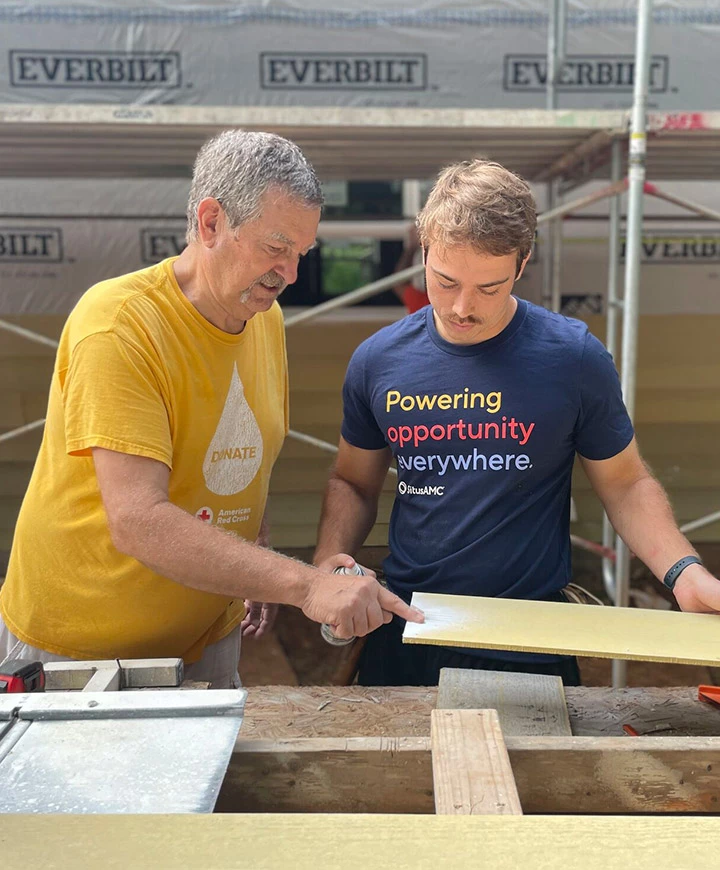
"The FiveStone work shaped the way we think about the activities of the foundation in new and unexpected ways and we continue to leverage the insights gained. The work has been invaluable and continues to pay dividends in framing how we carry out our mission."

Amy Newman
Associate Executive Director

"The FiveStone team was phenomenal to work with. They did a great job of capturing the essence of our brand in a way we never were able to get down before. But, what really makes them unique is that they got our DNA."

Patricia Sun
CEO
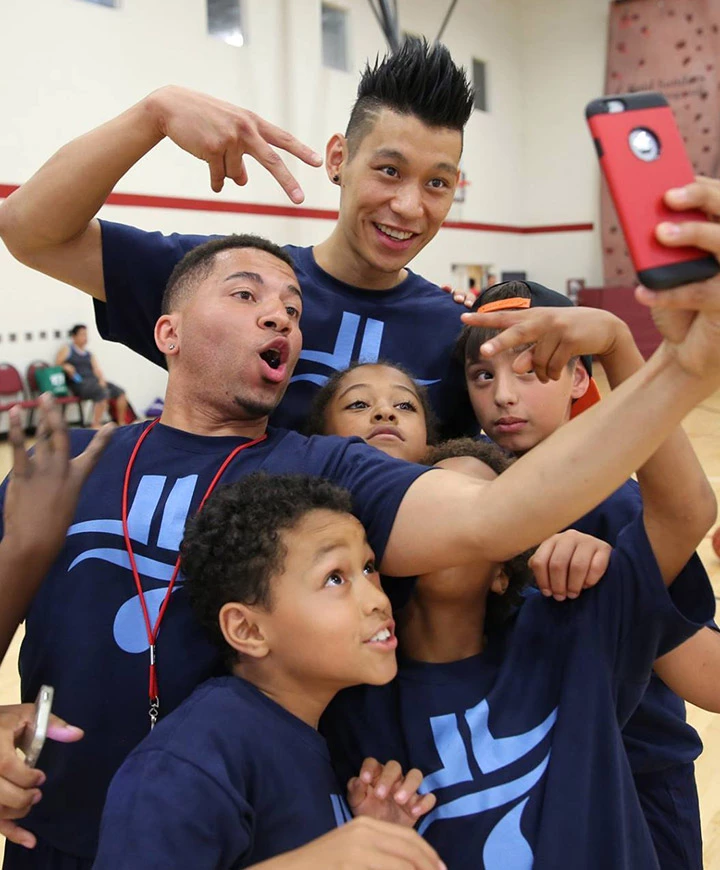
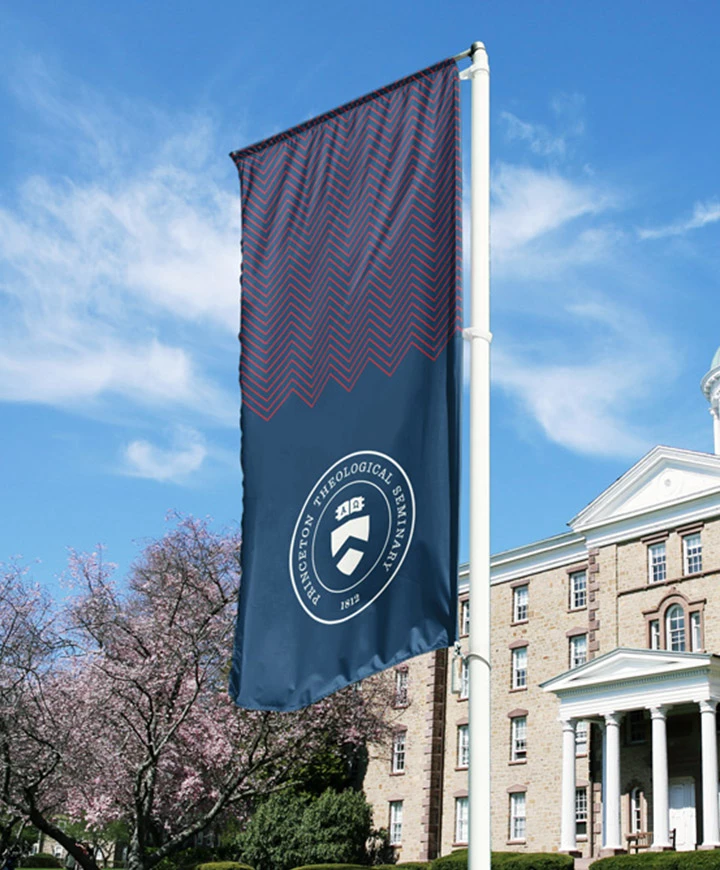
"Our faculty, students, and alumni are all thrilled with the outcome and we are excited to continue our partnership with FiveStone in the next steps of our strategy."

Dr. Shane Berg
Vice President for External Relations
"FiveStone helped us identify something we couldn’t see on our own. The value they provided wasn’t only in the ideas, but in changing the way we thought about the problems we were tackling."
Sajan George
Founder

“The brand is receiving grand reviews from our supporters. You did a majestic job for us and we're looking forward to sharing it with the world. But, more than that, to sharing it so that it motivates the world to do more good. Back slaps, head taps, and thank yous to the team.”
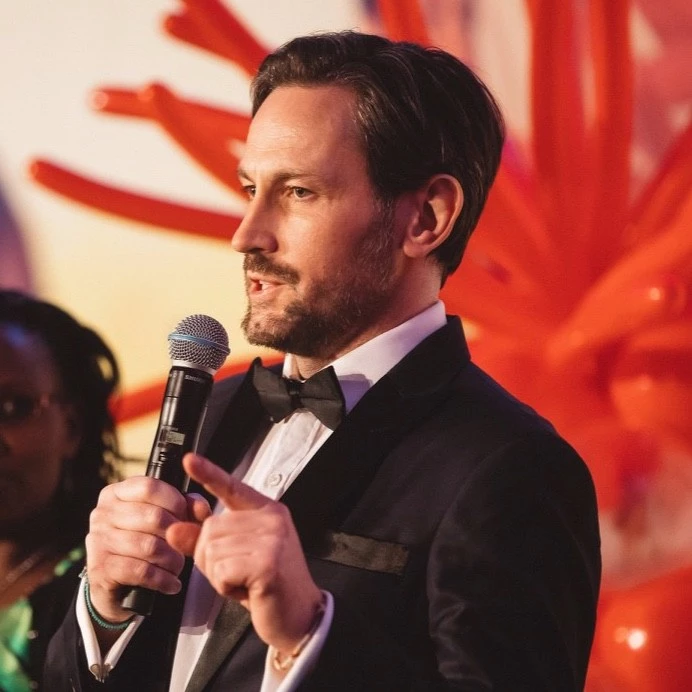
Thomas Keown
Founder & CEO

“FiveStone cared about our organization and our campaign, but more importantly, they cared about our cause. It was clear from the passion they brought to the project that we were not just ‘another client."

Marc Andreas
Vice President of Marketing
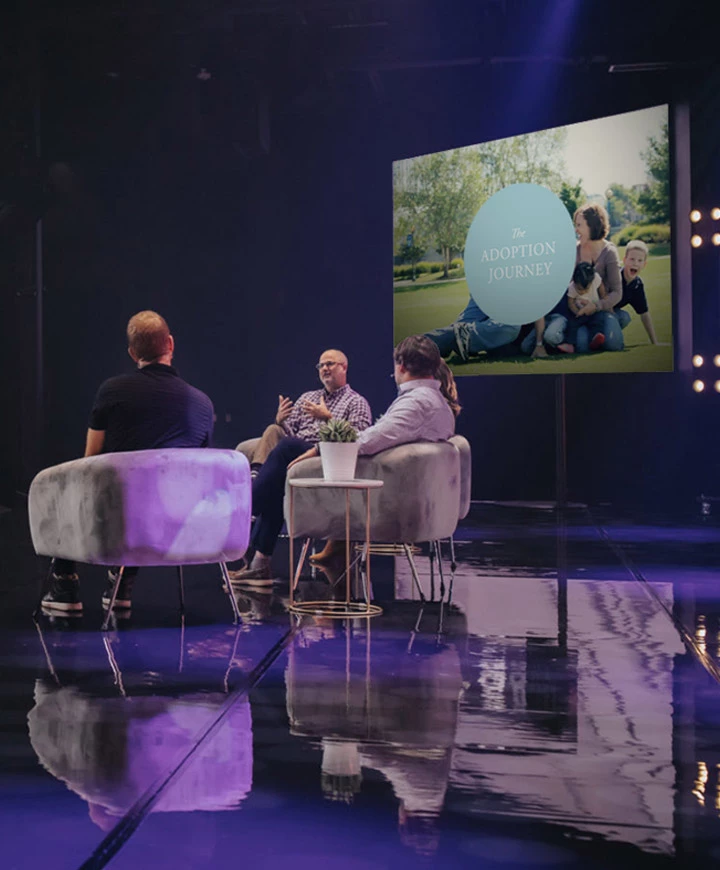
"FiveStone’s secret sauce is their deep capacity for listening to, and learning about, their clients. They hold a mad-scientist, future-learning orientation about branding and the digital landscape that always keeps us looking forward."

Andy Calkins
Director

Stop scrolling and start making things that matter.
👍 Thanks for reaching out!
Stay tuned—we'll review and respond promptly.
Up for our monthly newsletter?